Overview
Oxygen therapy is the medical use of supplemental oxygen to support patients whose blood oxygen levels fall below the safe threshold (hypoxemia). It is not a treatment for being short of breath in general — it is prescribed only when measurements show that the body is actually getting too little oxygen.
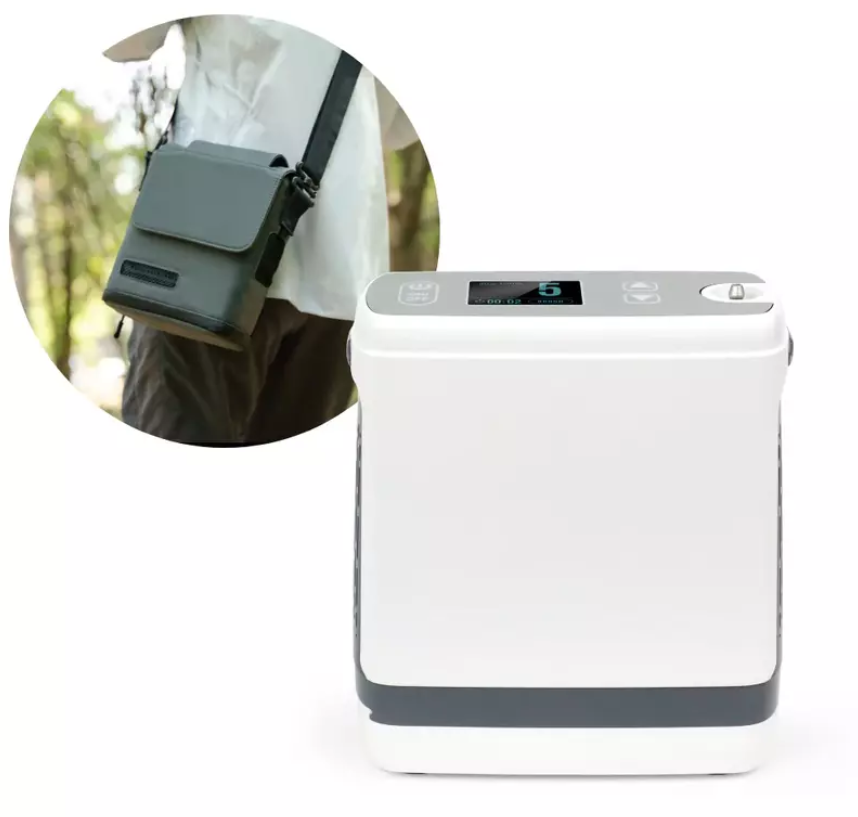
According to the American Thoracic Society and the GOLD COPD report, oxygen therapy is one of the few interventions proven to extend survival in patients with chronic hypoxemia. A portable oxygen concentrator (POC) such as the SG makes this therapy possible outside the hospital — during the day, during travel, and during ordinary activities at home.
This guide explains the main medical conditions that lead a pulmonologist to prescribe oxygen, the diagnostic measurements involved, and when you should seek a respiratory assessment in Kuwait.
What is Hypoxemia
Hypoxemia means low oxygen levels in the blood. The standard measurement is SpO₂ (peripheral oxygen saturation), taken with a pulse oximeter on the fingertip. Normal SpO₂ for a healthy adult is 95–100% at rest. Values consistently below 90% are abnormal, and values at or below 88% are the threshold at which long-term oxygen therapy is generally indicated.
Hypoxemia can occur at rest, during exertion (such as walking or climbing stairs), or only during sleep. The pattern matters because it changes how oxygen is prescribed — some patients need it 24/7, others only during activity. A full assessment may include a pulse oximetry and 6-minute walk test to capture each pattern.
Chronic Obstructive Pulmonary Disease
COPD is the most common reason for long-term home oxygen therapy. The disease damages the air sacs (alveoli) and narrows the airways, progressively reducing the lungs' ability to oxygenate blood. In advanced stages, even minor exertion causes oxygen saturation to drop sharply.
The landmark NOTT trial and subsequent studies established that continuous home oxygen, used at least 15 hours per day, significantly extends survival in COPD patients with PaO₂ ≤ 55 mmHg or SaO₂ ≤ 88%. For these patients, a portable concentrator transforms daily life by allowing them to leave the house, see family, and remain active longer.
Pulmonary Fibrosis
Idiopathic pulmonary fibrosis (IPF) and other interstitial lung diseases cause scarring of lung tissue, making gas exchange progressively harder. Hypoxemia in pulmonary fibrosis is often exertional — patients may have normal SpO₂ at rest but drop into the 80s within minutes of walking. Oxygen therapy is prescribed to maintain SpO₂ above 90% during activity, reducing breathlessness and protecting the heart from chronic low-oxygen strain.
Post-COVID Syndrome
Patients recovering from severe COVID-19 pneumonia sometimes experience persistent hypoxemia for weeks or months after discharge. The lungs need time to heal, and supplemental oxygen during this recovery period reduces strain on the heart and supports rehabilitation. For most post-COVID patients, oxygen therapy is temporary — pulmonologists reassess SpO₂ every few weeks and wean off oxygen as lung function recovers.
Heart Failure
Advanced heart failure can cause low oxygen levels because the heart cannot pump blood efficiently through the lungs. Supplemental oxygen reduces the strain on a failing heart and improves exercise tolerance. Oxygen is one part of a comprehensive heart failure treatment plan, used alongside medications and lifestyle changes under a cardiologist's supervision.
High Altitude
At altitudes above 8,000 feet (2,400 m), atmospheric oxygen pressure drops enough to cause symptoms in some travelers — especially those with underlying lung or heart conditions. A portable concentrator rated for high-altitude use (the SG operates up to 13,000 ft) is a practical solution for mountain travel, allowing patients to enjoy destinations they would otherwise need to avoid.
How Diagnosis Works
A respiratory assessment typically includes: a clinical history and symptom review, resting SpO₂ measurement with a pulse oximeter, pulmonary function testing (PFT) to measure airflow and lung capacity, the 6-minute walk test to capture exertional desaturation, and in some cases an arterial blood gas (ABG) to confirm PaO₂ and CO₂ levels. Based on these results, the pulmonologist determines whether oxygen therapy is appropriate and what flow level to prescribe.
Several pulmonology centers in Kuwait can perform these tests, both in government hospitals and private clinics.
When to See a Doctor
See a pulmonologist promptly if you experience any of the following: persistent shortness of breath that is worsening, SpO₂ readings below 92% on a home pulse oximeter, morning headaches, bluish lips or fingertips, or unexplained chronic fatigue. These symptoms warrant a full respiratory assessment before considering oxygen therapy.
For ordering the SG portable oxygen concentrator after you have a prescription, contact us via WhatsApp for free delivery across Kuwait and setup support.